Showing posts with label Laura. Show all posts

Friday, August 30, 2019

The Mystery of the Silver Star (#86)

Mystery of the Silver Star coverSo this is how the Simon & Schuster digests begin: with the theft of a bicycle.

After reading the final digest, The Mystery of the Silver Star feels like part of a different series for two reasons. The most obvious is Silver Star is the product of a different era, both chronologically — it was written almost two decades before Motocross Madness — and in the conception of how a “typical” Hardy Boys book should be constructed. In Silver Star, the link to the previous paperbacks hasn’t been severed yet; Desert Phantom (#84) is mentioned early on, and all the previous paperbacks are listed on a front flyleaf. More importantly, Silver Star feels invested in the lives of the Hardys and their friends in a way later books don’t.

The Hardy adults are part of the story. Frank and Joe have to ask permission for long trips. (They sometimes are said to ask later in the series, but in this case, it feels like a hurdle rather than a perfunctory line of narration.) The family has a Gertrude-cooked supper together, and the family banters during the meal. Laura Hardy worries about her sons, coming up with chores to keep them at home when a psychic predicts disaster for them — I mean, she’s listening to a psychic, so the book isn’t perfect, but the concern is real, as is her belief in her sons.

The Hardys’ friends aren’t ignored. Callie has a birthday party at El Caballo Blanco, and she warns Frank not to miss it, like he did last year. The description of the party takes several pages, and one of the gifts involves an inside joke that goes on for far too long. Chet serves as an inspiration for a role Joe has to slip into so the Hardys can catch the villain off guard. The boys borrow Laura’s station wagon — geez, I can’t remember the last time that was mentioned — to go on a double date with Callie and Iola, and when they have to divert to New York, they make sure Laura knows she can use their van. By itself, this investment in the Hardys’ lives doesn’t make Silver Star a good book, but the effort makes it a better book.

But the second reason is one I haven’t touched on often while writing about the series. A few months before Silver Star was published, Simon & Schuster released the first few Hardy Boys Casefiles, a parallel series with a different continuity. In the first volume, Dead on Target, Iola Morton died in a car bombing meant for the boys, and Frank and Joe took on a group of assassins called, well, “the Assassins,” and work with / against “The Gray Man,” an agent of “The Network.” Joe vowed to kill Iola’s murderer; the boys use firearms — not in the casual way, like in the early books of the canon, but in the serious, gritty ‘80s way.

It’s kinda silly, but I get it: The Hardys must’ve seemed pretty hokey to the adults creating the series at the time. The Casefiles stories are a product of their era, and despite the series running twenty books longer than the S&S digests, the Casefiles were canceled almost a decade earlier, in 1997. (That’s what happens when you put a new book out every month, I suppose.)

Anyway, Silver Star attempts to differentiate the digests from the Casefiles. Instead of a bombing, the instigating crime is the theft of a bicycle — an experimental, top-of-the-line racing bicycle, yes, but still a bicycle. It’s hard to think of a larger disparity in crimes than the one between bicycle theft and assassination. When the stakes escalate, Frank tries to downplay their experience: “Kidnapping is a little out of our league,” he says (97). This has literally never been true; the Hardys rescued the kidnapped Fenton in The House on the Cliff (#2) and Chet and Biff in The Missing Chums (#4), and as recently as The Demon’s Den (#81), they’d battled kidnappers. Later, Silver Star’s plot veers toward Dead on Target, as it includes espionage and the cooperation of a spy, but even that is used to illustrate the difference between the two series: The spy is a CIA agent, not from the fictional, ultra-super-dooper-secret Network, and no one dies. The spy the boys capture has the decency to be embarrassed that he was outwitted by teenagers rather than committing suicide, like the Assassin did in Dead on Target.

***

Silver Star has its good points, but as I mentioned above, they mostly revolve around the depth of the supporting characters and Frank and Joe treating them like real people. Chet steals his early scene, using his double-dip ice-cream cone to impersonate a reporter and make fun of the set-up: “Bayport’s pride and joy, that duo of dynamite detective work, Frank and Joe Hardy! … Eighteen-year-old Frank Hardy, the brown-haired, brown-eyed older of the two — … give me your honest opinion. Don’t you think all of this hoopla is a bit much for just a silver-colored bicycle?” (2-3). Chet knows his friends are working because when they are on a case, Joe wears sunglasses — which hasn’t been true before — and because “Frank always comes off like a walking encyclopedia on topics he didn’t used to know anything about” (4), which is absolutely true.

As it turns out later, some of Frank’s arcane knowledge is that competitive cyclists sweat, and they drink water to replace the fluid. I mean, the narration specifically says Frank mentions this “to demonstrate his knowledge of cycling” (13). I don’t remember the ’80s that well, but I do know that we were told all the time when competing, even in more sedate sports, that we needed to drink water.

Is it any wonder Frank and Joe ditch Chet the first time he turns his back (for more ice cream)? He thoroughly broasted them. (Isn’t that what the kids say today?) And Frank and Joe can’t even come up with a decent parry when Chet says, out of nowhere, “I’m built for endurance, not for speed” (3). I mean, the possible put-downs for that out-of-nowhere line practically write themselves.

So racing cyclist Keith Holland asks Frank and Joe (through Con Riley) for their help. The setup has been done a bazillion times before in the Hardy Boys: Pranks / accidents have been following Keith during his long-distance charity race against Gregg Angelotti, and Keith, worried, wants Frank and Joe to get to the bottom of things. After chatting with Keith in his motor home, which is decorated like a kid’s bedroom with trophies and ribbons, Frank and Joe accept. As always when Frank and Joe investigate, things have to get worse before they get better. In this case, someone shoots Keith’s experimental super-bike, the Silver Star, during a race and steals the bike. Later, Keith disappears, leaving a note behind saying he’ll be back, but no one connected to him believes he left of his own free will. To find him, Frank and Joe solve the mystery of Keith’s neighbor, who has been arrested for espionage, and discover a rogue secret agent. Of course they find Keith and his bike, and they capture the spy. The end!

I mean, it’s not really that simple. Silver Star has a few complicating factors, of course. There’s a local psychic, Molly Frankel, whom everyone takes seriously — Frank says, “She’s always been legit” (37) — and who makes several doom-laden predictions about Frank and Joe and Keith. Someone plants a bug in the Hardys’ van, but they don’t notice the perpetrator until he jumps out — while the van is in motion — and they don’t find the bug for days; the spy escapes, even though Frank makes the van go so fast the tires squeal on dirt. (When they do find the bug, they crush it, rather than use it to spread misinformation, and the villain mocks the brothers’ jejune conversations during their final confrontation.) When a suspect resists their questioning, Frank “wished [they] had something that looked like a private investigator license” (30), never thinking, well, Frank might be able to get a license; the suspect calls Bayport “crime-ridden” (30), not even knowing teenagers are the city’s main crime investigators. At one point, Frank gets an address wrong, and he and Joe end up in the middle of ‘80s New York, where they are accosted by a gang of knife-wielding auto thieves who are scared away by their car alarm.

Once Keith vanishes, the documentarian filming the race admits he pulled the pranks, trying to build some drama for the narrative. Realizing their investigation has uncovered nothing of value, the Hardys head to Keith’s hometown, Boulder, Colo., to look into Keith’s next-door neighbor, Mariana Bornquist, whom the CIA has accused of espionage. The CIA initially arrests Frank and Joe for breaking into Mariana’s home, but one phone conversation with Fenton gets Frank and Joe out of custody and into the thick of the investigation. I like to think it wasn’t Fenton’s name or reputation that bailed out his sons but rather Fenton’s knowledge that the CIA isn’t allowed to conduct domestic operations in the United States, and the FBI should be in charge.

(Side note: The narration contends doughnut holes are a local delicacy in Boulder. They’re everywhere now, of course, but Silver Star was written in 1987. Does anyone know if this was true? I mean, Dunkin’ Donuts created the first Munchkins in 1972, and Tim Hortons introduced Timbits in 1976, but I don’t know how great their market penetration would have been other than the northeast / northern Midwest.)

Frank and Joe’s plan to capture Derek Willoughby, the spy who blackmailed Mariana into stealing weapons secrets, is complicated by the boys’ lack of operational intelligence, and Frank and Joe run headlong into the villains’ trap. Derek’s thugs kidnap the boys but find the tracker the CIA had planted on the boys without their knowing only halfway through the abduction. (It’s good to know the CIA suspects the boys are morons.) The thugs take the Hardys to Keith, Derek, and the bike. Derek is looking for the microfilm Mariana claimed to have hidden in Keith’s silver bike, now disassembled; Frank cooks up a cock-and-bull story to convince them to reassemble it, then rides out the door with Frank and Keith running behind. The CIA, in the area anyway because of the tracker, sorts things out, and Derek is humiliated. As he should be — not only was he foiled by teenagers, but the microfilm was in a bike in Keith’s Boulder garage, not in the super experimental Silver Star.

And that’s the end of the beginning for Simon & Schuster’s digests, and that’s the end of the end for me. Thanks for reading! I may be back with other posts, but don’t expect anything on a regular schedule. (Like you should expect that anyway, given this site’s posting history.)

Friday, June 7, 2019

Wreck and Roll (#185)

Wreck and Roll coverWreck and Roll (#185) is a standard Hardy Boys book. The plot involves Phil Cohen dating a singer in a rock-and-roll band, and — of course — that band is the victim of sabotage, harassment, and light attempted murder. (No one has, as far as I know, ever been charged of attempted murder in one of the digests.) Everything goes about how you’d expect, and although I admit the culprit is better concealed than normally, that’s because the Hardys do little investigating in Wreck and Roll. They react to crises when they’re around the band, but they’re too busy not caring when they’re not around the band.

If you’ve read a half dozen of these books, you can probably guess the specific nature of the disasters: electrical malfunctions, theater mishaps, vehicular attacks. I’ll admit the sabotage of the band’s bungee jump and poisoning of a pre-show buffet was a bit unexpected, but we can’t be expected to think of every way to try to kill a rock band (but fail). Instead, I’m going to use Internet history as an inspiration and create a FAQ, even though we all know there are no questions about this book, let alone questions that are frequently asked:

1. Who is Franklin W. Dixon for this mystery?

Stephen D. Sullivan again.

1.1. How can you tell?

Sullivan doubles down on his namesakes in this book: BPD Officer Gus Sullivan returns for this book, and Sullivan’s son, known only as “Sullivan,” works as the band’s bouncer. Stephen Sullivan also brings back the Browning Theater from Trick-or-Trouble (#175).

1.2. Is that a conclusive identification?

I also read it on the Internet.

2. Who is the returning cast for this book?

Phil, who is described as “tall and thin” (78), is the Hardys’ entre into the action. Callie and Iola accompany Frank and Joe to a couple of concerts, although eventually they lose interest. Fenton and Laura show up, lawyer in tow, to pick up Frank and Joe after they are taken into custody for the crime of being attacked. The Cohens appear at the same time. (In the original canon, Mrs. Cohen was in The Bombay Boomerang, #49, but Mr. Cohen never appeared in the canon.)

2.1. Where’s Chet?

He’s helping at the family farm, which is run by Chet and Iola’s grandparents, for a week. For some reason, Chet’s getting school credit for his labor. Iola doesn’t explain how that works; I can’t imagine Chet taking ag classes, but who knows? Maybe he’s getting biology credit, or maybe it’s part of SkillsUSA, which I knew as VICA as a high schooler.

I think this is mentioned to move the Mortons’ farming heritage a generation back — Iola and Chet probably have never lived on a farm any more — and to foreshadow Sullivan’s next Hardy Boys book, Farming Fear (#188).

2.2. Where do Callie and Iola scarper off to?

They decide spending a weekend at a farm with Chet would be more interesting than hanging around an up-and-coming rock band or watching their boyfriends avert crises.

2.3. Is Phil cool enough to be dating a frontwoman for a rock band?

Of course not. Julie Steele, who performs as “Chrome Jewel,” is a several orders of magnitude cooler than Phil, although Sullivan soft-pedals Phil’s nerd credentials. He’s great with electronics and wiring, but he’s also the guy who drives an aged Toyota plastered with bumper stickers featuring his girlfriend’s band. Julie shows none of the rock passion one might expect, and the band’s lead guitarist actually says “rocked to meet you” (19), but still … by being the bassist and lead singer of a rock band, she’s much cooler than Phil.

Phil’s also the only significant other who comes backstage with the band, and he always brings along the Hardys. He’s trying too hard, and he’s dragging his own tagalongs backstage as well. Uncool, Phil.

2.4. Does Iola have reason to worry about Joe’s affections?

Not really. The band’s drummer, Jackie Rude, tells Callie and Iola to hold on to their “smart and handsome” boyfriends, or she “might steal one” (20), but she makes no moves on the brothers. Frank was never going to do anything, but Joe also makes no move. I suppose all those hugs Iola gives Joe are enough to keep him from straying … for now.

3. Is a middle-aged man writing about the music the youths love embarrassing or acceptable?

Mostly acceptable.

Let’s start with the band’s name, which I’ve withheld until now. Vette Smash is an acceptable band name, although the name conjures up the image of a person who would put a brick on the accelerator of a sports car and watch it slam into a brick wall in a beautiful fireball. (But not an expensive European sports car, like a Lamborghini or a Porsche; a Corvette, which suggests a more blue-collar sort of destruction.) I’d expect Vette Smash to be a punk band or a hair band, and while Vette Smash definitely isn’t the former, I can’t rule out the band being the latter. I mean, hair bands had been uncool for more than a decade when Wreck and Roll came out, but Vette Smash is only locally cool. We all know Bayport is stuck in a time warp, so when American audiences were rockin’ to Green Day, Nickleback, Maroon 5, and Evanescence in 2004, who knows what’s popular in Bayport at that time?

The members of Vette Smash are Jackie Rude, Ken Fender, Ray Chong, and Julie Steele, who — as mentioned — performs under the name Chrome Jewel. Other than the uninspiring “Ray Chong,” these are solid names, and we can excuse Ray because “Ray Chong” is probably his name.

Vette Smash plays “radical covers of older tunes, power ballads, and original compositions” (17). From what I gather, this is normal for newer acts, and as they grow in popularity, they shift more to their own music. (This may not true; I am not now, nor have I ever been, “hip.”) I’m not sure whether a band in 2004 would play “Riders on the Storm” and “Jumpin’ Jack Flash,” classic rock songs from the ‘60s, over more contemporary ‘90s songs. Grunge may be cover-resistant, for all I know, but it’s hard to believe a band looking for a national contract in 2004 would have the courage to play “Deadman’s Curve,” a 1964 song by surf-rock notables Jan and Dean, even if the cover was “hyped up” (17).

On the unlikely side, the band hangs out at a bar that serves health drinks / food and no alcohol. The bar’s former existence as a gym and clever name (Vince’s Powerbar) almost makes up for that — almost, but not quite.

3.1. But this is definitely a middle-aged guy writing this, right?

Oh, yeah.

3.2. Can you give me examples?

Sure! He starts the story with Phil telling other teens, “Grab your dancing shoes and prepare to party!” (1). Frank tells Callie and Iola they look “super” (2). Joe calls Phil “the Philmeister” (3), years after Rob Schneider left Saturday Night Live. For some reason, he thinks Joe, a noted lunkhead, would know the word “obsequious” and be able to correctly use the word in conversation (61). He calls the band’s version of “Riders on the Storm” a “blazing cover” (63). He picked “Deadman’s Curve” as a song for the and called it an “old classic” (17). This is a man whose knowledge of youth is a little out of date, is what I’m saying.

He also has Frank and Joe conduct a normal conversation while driving motorcycles. This is preposterous, but to be fair, this is a long-standing Hardy Boys tradition, going all the way back to The Tower Treasure.

4. What about the agents who want to sign Vette Smash to a national contract?

The two agents are Walker Crown, a sexist Texan, and the all-business Kelly Miyazaki.

4.1. Sexist?

Crown always calls Miyazaki by her first name, while she calls him Mr. Crown; more importantly, he uses terms like “little filly” (27) and “little kitten” (36) to address her. I mean, he’s trying to demean her in front of potential clients, but he’s doing that with the kind of language that diminishes women.

4.1.1. So they definitely sign with Miyazaki?

No, they don’t.

4.1.2. They signed with Crown?

They did not.

4.2. Then which agent do they sign with?

Neither! Their manager dithers, and the band stalls, so Vette Smash doesn’t make a choice. And why should they? Nothing can go wrong for Vette Smash! There’s no reason to hurry — none at all!

5. Do Frank and Joe get to use sick martial arts?

Boy, do they! At the beginning, Frank is undone in fights by his reluctance to crack heads, giving Joe the opportunity to use hammerlocks and other boring moves to teach the unruly a lesson. But the Hardys and Vette Smash are set upon by mobs twice, giving Frank and Joe a chance to use their awesome moves to hold off the unwashed hordes until the police can be arsed to do something.

Frank uses a judo flip and “a quick chop” (118) in one rumble and “sweeping martial arts kicks” (87) in the other. Most likely Joe would have gotten a few good shots of his own — he has to settle for a slamming his fist into a guy’s gut — but he and Frank were busy protecting Phil and Vette Smash. Like when you’re running an escort mission in a video game, the brothers were prevented from doing cool stuff by the need to keep the feebs they were protecting from dying.

6. On a scale from disinterested to incompetent, how would you rate the Bayport Police Department?

Grossly incompetent. They don’t arrest any people who assault Vette Smash; even without Vette Smash pressing charges, the mob caused damage to property, and the police don’t seem to care. I mean, a mob pulled a man from his car and tried to beat him up! If one of those people had been African-American — as far as I know, Bayport doesn’t have Black people — in 2015, the National Guard would have been called out to keep the peace! And when Vette Smash is attacked again, this time by a rival gang, everyone gets arrested, and then … everyone gets released? The police take everyone’s fingerprints, and then nothing happens.

Nothing happens after Ken is almost killed by a sabotaged bungee cord. Nothing happens when an electrical fault sets the Browning Theater on fire; nothing happens when an electrical fault zaps Julie and her metal costume. Nothing happens when someone steals Ken’s convertible, stuffs Ken in the trunk, and tries to run over Julie with the car. Nothing happens when a rival band’s guitarist gets shocked by a guitar Ken was meant to play. It’s not just — just — that no culprit is captured or identified; I know justice can take time. But it feels like the police don’t ask the important questions: Does the band want protection? Who is out to get the band? Should we send an undercover or uniformed cop to be on top of things if another attempt is made? It’s hard to understate how much the police seem to be ignoring the nearly unignorable.

Perhaps Frank and Joe are to blame for this. They’re supposed to have “police contacts” (76); maybe those contacts were waiting on the go-ahead from Frank and Joe before doing anything. But the lack of work by the police and the lack of investigation by Frank and Joe does make Bayport seem like a lawless, early ‘90s urban hellhole (absent the hard-core drugs) that had been on the wane for a few years by this point but was still entrenched in the public mind.


Friday, March 15, 2019

Trouble Times Two (#167)

Trobule Times Two  coverFirst proposition: The title of Trouble Times Two makes no sense. While the book does contain trouble, I can find no multiplier of said trouble.

Second proposition: Trouble makes more prescient statements than usual, commenting on the decline of unions and newspapers in 2002, years before their collapse had become national panics, and delivers a pointed statement on the lack of protections for whistleblowers.

Third proposition: The main chum (non-girlfriend division) in Trouble is the brainy Phil Cohen, and his opinions are given more respect than usual: When he convinces the others to watch a foreign film rather than an shoot-‘em-up or romantic film, the entire of gang of teens have a great time. Frank decides he should support Phil’s suggestions more often, since this “rare victory” (50) turned out well.

Conclusion: This means something.

I don’t know what, though. Whether this is an attempt to inculcate liberal values on the Millennial Generation, or whether this is an attempt to reflect the values of the book’s target audience, or whether I’m just a couple of steps from claiming the world is run by lizard people, I don’t know, but again: This means something.

The book starts with Frank drowsing in social studies class and being kept awake only by Callie flicking paperwads at him, which gives credence to the target audience argument. But later in the first chapter, “big, beefy” (8) Biff Hooper gets punched by troublemaker Tom Gilliam, and Biff is too surprised to fight back; that Biff, a character named after his fondness for punching, doesn’t fight back against an unprovoked attack in his only appearance in the book suggests a desire for pacifistic Millennials.

And then again, Tom gets the nickname “Trouble Boy” (3) and is later promoted to “Captain Trouble Boy” (61). Neither is a nickname real teenagers would tag a miscreant with; if an adult used it, it wouldn’t stick. Maybe this non-normal behavior is a hint about the Lizard People … Later, Joe says “the organization” built by Ho Chi Minh gave the United states a “big headache” (11). Of course the Lizard People would minimize the damage done to their world order — unless Ho was a Lizard Person himself? How deep does this lizard hole go?

(The author later writes a car “backs up” “in reverse” [17], which is either a Lizard Person writing or bad editing. I’ve given you the evidence. Only you can choose to see the truth.)

Anyway, Trouble Boy gets stuck in a study group with Frank, Callie, Phil Cohen, aspiring newsie Liz Webling, and Kevin Wylie, whose father is Tom’s father’s boss. For the social science fair — which I’m pretty sure isn’t a thing, or at least shouldn’t be a thing — they decide to report on the effects of / on whistleblowers. Frank defuses Tom’s natural surliness and anger by appointing him the leader of the team’s anti-whistleblower group. However, the team is hobbled by Tom’s five-day suspension for punching Biff, and when the other group members show up at the Gilliam apartment, Tom’s father becomes peeved at his son’s anti-whistleblower stance.

Liz is a character who has slipped beneath my radar, a side effect of my skipping around the canon. Liz first appeared in the early Casefiles as Callie’s friend, but Trouble appears to be her first appearance in the Digests. Liz is also in Kickoff to Danger (#170) and The Test Case (#171), filling the young snoop role one would expect of the daughter of someone in the newspaper game. (Here, she and her father work at the Bayport Gazette; in Kickoff and Test Case, her father is an editor at the Bayport Times, and she works for the school paper, the Beacon. She also reports for the Bayport Cable News in Test Case.) In Test Case, her reporting alienates the Hardys, and — as far as I can tell — she made no more appearances in the series.

That’s the boring school stuff. The mystery begins when Joe runs supplies to Fenton, who has staked out Stinky Peterson’s apartment building, posing as a homeless man. Stinky’s a thief — he’s a pro, according to Fenton, despite being nicknamed “Stinky” — but Joe and Fenton can’t stop him from handing off stolen pearls to a fence. The fence tries to kill Fenton as he drives away, which accords with the Bayport police’s reports of a more violent fence, one who is also more efficacious and has a longer reach. This fence is also suspected of murder, a rarity in a Hardy Boys book.

Con says the fence is from a national syndicate, not a “homegrown organized crime type” (29), which is sad; as every Millennial knows, the best criminal organizations are artisanal, bespoke groups that are committed to consuming the profits of their local region. It’s more responsible, you know? And you get a more personal feel when you’re stabbed or mugged.

The next day, Laura is giving everyone — Fenton, the boys, and the readers — the silent treatment and refusing to make breakfast. This is Laura’s only appearance in the story, and her only purpose is to not say anything. She and Gertrude are mentioned a couple of other times, but they are only mentioned to highlight their absence from the home. (Well, Gertrude also gets to pass a phone to Fenton.) The Hardy ladies could be less present in this story, but in books in which the women aren’t mentioned, their absence occasionally is felt as a presence. Here, they do not even register their lack of presence.

When the teenagers witness Tom’s dad, Russell Gilliam sneaking into Tri-State Express, the shipping company he is an accountant for, late on a Saturday night, the Hardys get suspicious. Frank looks up Russell’s employment history (somehow) and sees he’s had a series of short-term jobs. While Joe thinks he might be “like that famous impersonator guy” (52) — I’m guessing he’s referring to the 1996-2000 TV show, The Pretender, in which a genius imposter on the run takes a new type of job every episode — Frank thinks he’s the advance man for the national crime syndicate.

Fenton’s background check reveals something different; Russell Gilliam received a golden parachute, which Fenton calls a “golden handshake” (63), from each of his employers. His peripatetic job history began at Dynodyne — a name that also suggests Lizard Author / bad editor, especially when they could have used Yoyodyne — when his house burned down, he lost his job, and his wife divorced him and took the kid.

Tom and Kevin posture when Tom’s suspension is over, and while Kevin makes abstract threats with a knife, Tom puts a stink bomb in Kevin’s locker that ignites magnesium Kevin kept in it. Joe, who shadowed Tom, gets the fire under control but refuses to rat out Tom, even when the assistant principal threatens his permanent record. Now trusting Joe, Tom comes clean: His dad is a professional whistleblower, getting payouts and NDAs from his crooked employers. After Tom’s mom died, Tom has lived with his father, wandering around the country; Tom worries his father has lost sight of “the line between being an idealist and being an extortionist” (90).

Things go wrong when Tom decides to solicit advice from Fenton. Fenton isn’t at the Hardy home, but the social-science fair group is, so Tom unburdens himself to them instead. Kevin tells his father, who is using his shipping company to fence goods for a silent partner; Mr. Wylie isn’t good at hiding his tracks, as Kevin’s grandfather tried to hire Fenton to investigate his son-in-law months before. Kevin’s father fires Russell, and Frank and Joe are worried Mr. Gilliam will declare “war”: “I guess trouble is Mr. Gilliam’s business,” Frank says (103), echoing the title of a Raymond Chandler short-story collection.

Despite this link to tough-guy stories, when Russell is lured into a trap and assaulted by Stinky Peterson, Frank and Joe save him and lament that unlicensed investigators like Russell can’t handle the “rough and tumble” (112) of the PI business. I’m pretty sure an accountant would make a great private investigator, and avoiding assault isn’t part of PI certification; in any event, Russell shrugs it off as a warning. Frank and Joe agree, and if there’s anything they know, it’s violent warnings.

(Or maybe they don’t. The Hardys have never been able to tell the difference between warnings and attempted murder.)

The Hardys can’t prevent Tom from being kidnapped the next day; Joe won’t even stick up for Tom from Kevin’s insults. (I’ve said Joe was a bad friend before; this is just more evidence. It’s always easier to punch down, isn’t it, Joe?) The Bayport police won’t look for Tom for 72 hours, even though he’s a minor and doesn’t have a history of being a runaway, because they’re not very good at their jobs, so the Hardys step up. When the Hardy brothers confront the Wylies at their McMansion, the elder Wylie’s silent backer, Nicolai, barges in with goons and takes everyone to the Tri-State offices, where the Gilliams are already being held.

The prisoners are bound, and Tri-State is set ablaze. (Nicolai really does not care about the fire looking like an accident. He has a very low opinion of American pig-dog police.) With the help of a box cutter Tom palmed, they manage to cut their bonds, break down a barred window, and escape with the help of firefighters. Mr. Wylie turns state’s evidence, Mr. Gilliam decides to give up his silent whistleblowing, and everything turns out OK.

Except as far as we can tell, Nicolai is still free, and his organization will probably threaten the Wylies’ lives. And we’re never told what grade the group received on the project that started this fiasco; Tom refuses to argue against whistleblowing, so Frank says “Phil and the other kids” (149) will work something out. “Other kids”? Are you going to give them Werther’s Originals if they do good work?

Or maybe he means, “Phil and the other non-Lizard People.” If so, I was right: this means something.

Friday, November 9, 2018

The Crisscross Crime (#150)

 coverFor the hundredth book in the Hardy Boys series, The Secret of the Island Treasure, Simon & Schuster brought back Hurd Applegate, a character from the first Hardy Boys book (The Tower Treasure) and a recurring character in early books. I was hopeful S&S would do something unexpectedly retro with book #150, The Crisscross Crime, but I was disappointed.

The book does have touches that recall earlier mysteries. The title is similar to The Crisscross Shadow’s (#32), although the plots have nothing to do with each other. Bayport’s reservoir is important, like in The Secret of Skull Mountain (#27), but the reservoir in Crisscross Crime appears to be a new reservoir, as it isn’t located at Skull Mountain. (It's probably the same reservoir from Dungeon of Doom [#99].) The biggest rush of nostalgia comes when Fenton’s international crimesolving just happens to interlock with Frank and Joe’s Bayport case (The Mystery of Too Many Damn Times to Count). Still, I wish there had been more explicit references to the Hardy Boys’ past in Crisscross. If, as Wikipedia suggests, Crisscross Crime started out as Hardy Boys Casefiles #130 before that series was cancelled, it’s a miracle the book fits with the Digest / original series as well as it does.

Well, I suppose you can count Joe being a headstrong moron and Frank being a plodding dullard being references to the series past — but I’ll get back to that.

The story begins on the baseball field — that’s something else that hearkens back to the good ol’ days, but Frank and Joe were playing baseball for the Bayport Bombers in Danger on the Diamond (#90) as well, so it’s not unusual. Now, if they’d brought back baseball-loving chum Jerry Gilroy, who hasn’t been seen since 1966, then that would have been awesome. Anyway, Joe’s pitching, Frank’s at shortstop, and Biff takes Chet’s old spot behind the plate. The Bayport Bombers are an out from a win with runners in scoring position; Joe hangs a curve, but a diving catch by Frank seals the Bomber victory.

Rather than head to Mr. Pizza, Frank and Joe need to pick up their mother’s car from the shop. While Frank pays, Joe spots a break-in at a nearby bank. The robbers take off when the alarm sounds, and when Frank drives by in Laura’s car, Joe hops in with their video camera and tells Frank to follow that car!

The chase ends in a junk yard, where the robbers abandon their vehicle. But Frank drives Laura’s car into a car crusher — oops! — and as the car is turned into a cube, the boys narrowly escape with their lives and the video camera. I realize this is probably a traumatic moment for them; it would be for me. But our heroes are Frank and Joe Hardy, who have been in traumatic situations from (literally!) Australia to Zurich and everywhere in between, so why do they do so many stupid things afterwards?

For example:

  • Joe’s first act after the car is destroyed is to break into the junkyard’s office and snoop around.
  • Frank and Joe delay telling Laura that her car is no more, and she learns about it by watching the video Joe shot of it turning it into a large die.
  • When the boys want to learn what happened at a successful robbery that happened just after the break-in they witnessed, Joe poses as a reporter for the Bayport Globe and grills the bank manager, even though the police have told the bank manager not to blab. Why not ask the usually cooperative police, Joe?
  • When a suspect doesn’t want to talk to the boys, Joe’s reaction is to immediately hop her large wall to force her to talk to them.
  • When Frank tells his brother to call the cops if he isn’t back from checking a potential bank robbery in ten seconds, Joe’s reaction is to get a couple of baseball bats, give one to Biff, then try to beat up the robber(s), who have guns.
  • When Frank and Joe are captured by the villains at the end of the book, and Frank realizes the criminals are more likely to kill the boys the more they learn about what the Hardys know, Joe keeps blabbering, letting the criminals know exactly how much the boys have learned.

On one hand, the Hardys have always put justice above property rights or personal safety. On the other hand, Joe might be a nihilist thug, rushing headlong toward the hospital or the grave. (He might have discovered what all those concussions mean for him later in life and be determined not to suffer through the symptoms of CTE.) I realize the above acts are (somewhat) normal for private eyes in fiction, but Frank and Joe are kids with no reason to not cooperate with the police, given how willingly Con will feed them info.

But Frank and Joe never call the police! I’ve joked about the boys considering themselves a law unto themselves, but it’s hard to remember a case on which they have snubbed the five-oh so blatantly. After Laura’s car gets crunched and the boys break into the junkyard office, Frank and Joe don’t call the cops — even though it takes about three hours between the car’s destruction and the arrival of a concussed Biff to pick up the brothers. (A time warp might explain the abnormally long time it takes for a car chase and poking around a room or two, or the boys might have fallen into an alternate timeline: Joe calls Biff “Hoop,” and Biff’s drives a hatchback instead of his usual jeep.) Frank and Joe are determined to investigate, and it takes Frank’s near arrest — the boys’ van was spotted near the botched bank robbery — to get them to hand over their video of the chase.

But they don’t hand over the tape until after they’ve given it to Phil Cohen, who shouts “Enhance!” at his computers a few times and gets a clear look at the license plates. C’mon, guys! If TV has taught me nothing else — and it’s possible that it hasn’t — it’s that the police have a whole unit dedicated to shouting “Enhance!” at video, even though it’s impossible to improve a video past its original resolution.

I suppose the lack of police involvement cuts both ways. When Joe vaults the fence at a ritzy house on tony High Street — the same street the Hardys live on, although the book doesn’t mention that — and are caught, Frank and Joe don’t feel the need to use the police to justify their presence. Fortunately, the suspect lets them out of the trees in which her Dobermans have chased them and doesn’t call the cops herself.

Collig tries to give the boys their comeuppance, yelling at the Hardys for charging into a bank robbery with baseball bats, but his dressing down is interrupted by a grateful bank manager, who tells Collig the boys saved all that federally insured money and only drew a couple of bullets that hit only one bat. Still, Chief Collig gets his momentary revenge at the denouement: When Frank and Joe reveal the villains’ real, final target, he sneers at them, and his officers laugh. Serves you right, boys.

(This antagonism between Collig and the boys makes more sense if the book was originally a Casefile; Collig’s animus against the boys is much greater in that series.)

I guess I shouldn’t be too harsh on Frank and Joe. After they describe the initial robbery attempt and chase to Fenton, Fenton tells the boys to call Collig “if they find anything concrete” (30). Fenton: They are frelling eyewitnesses to an attempted bank robbery, and they have videotape of the criminals escaping. I’m not sure your sense of responsibility is everything it should be.

The independent streak he inspires in his sons ends up biting him in the ass, though. When Frank and Joe find the counterfeiter Fenton has been hunting is in Bayport, they ask for Fenton’s number; Laura says she has already spoken that day to Fenton, who said he’s returning to Bayport, and boys decide their information can wait. Sure, why not?

And the boys definitely get their cavalier regard for information sharing from their father. When Frank and Joe try to “soothe” Laura and their Aunt Gertrude after they see Laura’s car being crushed, the women tell the boys to call the police (36). The boys refuse. No reason to listen to hysterical women and their completely legitimate concerns about your safety and the modern crimefighting apparatus!

Because Frank and Joe don’t share info with the police, it’s hard to blame Collig for his reactions. He thinks he’s figured out the pattern in crimes — or more accurately, he figures Frank has figured out the pattern, which he shared with the police in a rare moment of cooperation. Well, the book claims Frank figured it out, but let’s see if you can figure it out yourself. First, as Frank and Joe were getting their mom’s car crushed and the police were responding to the triggered alarm, a bank downtown was robbed. A day or so later, while Joe and Biff foiled the bank robbery with their wooden bats, the police were responding in force to an alarm triggered at a bank on Bayport’s outskirts. Frank’s cognitive breakthrough? He “explained the hunch he and Joe had about all the real targets being downtown and all the false alarms being on the outskirts of town” (108).

That’s not a hunch. That’s recapping what had happened in the book so far

Now, what don’t Frank and Joe share with Collig? In the junkyard office, Frank and Joe find detailed maps of Bayport’s utilities, including the sewer lines and storm drains. Also, Fenton is investigating a counterfeiting case for the government, and the printing plates and ink have already been stolen; one of the suspects tells them the paper U.S. currency is printed on is stored in Bayport. (Seems like Fenton should have been on top of that, really.) The boys — well, Frank, really — put 2 and 2 together, and even though they don’t bother to check whether they should be adding or multiplying, come up with the 4-1-1: The criminals are using the storm drains to move around town, and the last bank robberies will be a double fake. The real target will be the armory where the paper is stored.

While the police are responding to a decoy robbery downtown, the robbers use jackhammers to break into the armory from below, which our crack troops can’t hear. They then escape through the storm drains on jet skis. It’s unusual; I’ll say that, at least. After Frank viciously “clocked” a criminal with a tire iron and steals his jet ski (138), the boys chase the other robbers to the reservoir, survive being tied up to drown in the storm drain (Frank flexes his wrists to escape his wet bonds), and pursue the last of the criminals onto the bay, where they prevent international counterfeiter Herve DuBois from escaping onto his speedboat and the open sea.

At no point do they call the police, but the Coast Guard does show up in time to keep the criminals from drowning.

The book ends with Laura and Fenton showing up at the boys’ next baseball game in her new car; Laura cheerfully tells her sons they will “never” drive it (150). Finally — consequences for Frank and Joe!

Friday, October 21, 2016

Kickoff to Danger (#170)

Kickoff to Danger coverYou know, I’ve never considered the idea that I would ever question a Hardy Boy book’s characterization of Biff Hooper, but now I’ve read Kickoff to Danger (#170), and well, that day is here.

Kickoff is a weird title. On one hand, it’s a Bayport-based mystery that uses the Hardys’ chums and supporting cast. Those kinds of mysteries are really my favorites. The book also makes a concession to reality — more than one, really, as not only does Frank leave the football team to take an advanced computer course, but someone outperforms a Hardy on an athletic field. I approve, and if either of those changes would have stuck, I’d have overlooked all the book’s problems.

On the other hand, too many supporting characters are introduced; it would be OK if I expected to see any of them again, but Kickoff will likely be the only appearance for various school personnel and students. And sometimes Kickoff portrays recurring characters all wrong. For instance, Biff Hooper goes along with what the popular kids are doing, which isn’t too out of character, but what the popular kids are doing is bullying everyone else in the school, and Biff participates, even when the bullying involves ganging up on Chet Morton. Iola Morton doesn’t appear in the book despite Chet being accused of whacking Biff in the head with a coal shovel. A subplot in which a meek teacher is run out of school goes nowhere. In another scene, Frank and Callie discuss football like people who have heard of the sport but are unsure of the terminology. Given that it’s debatable whether the kids speak like real teens (or real humans) in the first place, though, maybe I shouldn’t dock a Hardy Boys book for its dialogue.

What pushes the book into “good book” territory is the violence and a random bit of Hardy Boys continuity. For the former, Biff gets whanged so hard with a coal shovel that he’s put in a coma, and later on, someone gets very close to killing him. The two incidents give a bit of extra weight to the events of the book, even if it’s strange the events go from bullying to assault to attempted murder.

The bit of continuity that is dredged up is that Seneca Tech is Bayport’s cross-county football rival. Do you know what book originally revealed that Bayport vs. Seneca Tech is the big game for both squads? The Sinister Sign Post (#15), published way back in 1936. (Kickoff was released in 2001.) And how did that game turn out? Bayport won, with Joe out with an arm injury. Frank was not on the squad at all — just like in Kickoff.

Kickoff begins with Callie and Frank commiserating over the difficulty of trigonometry. (The “commiseration” extends to physicality, as Callie ruffles her boyfriend’s hair. So that’s what they’re calling it these days!) Both are planning on college; in fact, Frank is taking a toughie of a college computer programming course, which is why he isn’t playing football. The course seems to have removed all of Frank’s fun circuits too, as he calls a football player who jumps off a loading dock on his way to practice a “clown” (4). While watching Joe practice, he spells out the plot to Callie: new student Terry Golden is awesome at the footballs, is getting scouted by college programs, and is a giant jackhole whose entourage wants to be the same as he is.

Callie’s reaction? She’s sad because she “liked dating a football hero” (7). You should have thought of Callie, Frank! It’s not every boy who has a girlfriend who will ruffle his hair, if you know what I mean, and I think you don’t.

After practice, Golden gives a puff-piece interview with the Beacon, the school newspaper; after the reporter leaves, he and his cronies bully Chet, snapping their towels at him. Biff helps them, which takes all the fight out of Chet. The next day, Chet’s still feeling the effects — after Golden steals his dessert at lunch, Chet throws in the towel and tries to get in good with the Golden Boys.

After deciding not to head to Mr. Pizza to see Tony Prito, Frank runs into the aftermath of the rivalry that will drive the book: he finds Dan Freeman, debate club champ and Beacon photog, after he has been pantsed by the Golden Boys. Freeman refuses to rat out his attackers, though. The next day, the Golden Boys shove other students around, and they nearly push Phil Cohen down the stairs; only the quick reactions of Joe and Biff save him. (This is Phil’s only appearance in the story, so all you Cohen fanatics better appreciate it.)

Frank and Joe approach the football coach to have him talk to the unruly athletes, but he refuses, which sets the scene for “tragedy.” After a big win vs. Seneca Tech, the Golden Boys stage an elaborate prank in which they steal the debate team’s backpacks; when the debate nerds follow the thieves into the basement, other Golden Boys are there to pummel them. Chet, who thought he was in on the joke, gets beaten too, and when Frank and Joe follow the chaos, they find Chet with a black eye and a coal shovel in his hand, standing over Biff’s unconscious body. Joe considers violating the rules of the Fentonian Mysteries by wiping the fingerprints from the shovel, but Frank — steady, faithful Frank — chastises his brother for his weakness. The evidence is preserved, and surely those who have kept it holy shall be blessed.

Biff is taken to the hospital, and the Hardys learn he was trying to foil the assault on the debate team. (He did a poor job of it, though.) Chet’s taken to police headquarters, and his name is released on the evening news. Mr. and Mrs. Morton come by, in a panic; additionally, Mr. Morton is in a “blue velour jogging — or rather, leisure — suit” (66), which is inexcusable. Honestly, man, have more pride than that. Also: You should shave our head, since you’ve “lost almost all the hair on the top of his head except for a little tuft just over his forehead” (65-6). You’re going bald. Own it.

Fenton gives the Mortons good advice — get a criminal defense lawyer, not a real-estate lawyer — but he gives the information in a jerkish, “haven’t I done enough for your family?” sort of way. The Mortons are not pleased, and Laura calls her husband on his bedside manner.

The school is useless in the investigation, the TV news has no interest in finding another suspect, and the Bayport Police Department is, after all, the Bayport Police Department. Frank and Joe feed Con Riley a lead — the coal shovel should have been filthy, but it was wiped and had only Chet’s fingerprints, meaning someone else had used it and wiped his / her fingerprints — but that goes nowhere. It’s up to Frank and Joe to investigate! They suspect Golden whacked Biff, although they should have suspected one of the nerdlingers: A shovel is a tool, and intelligent creatures use tools, not knuckle-dragging morons.

They are immediately threatened with a shunning, although a weak-minded Golden Boy reveals his co-conspirators by flinching when Joe guesses their names. Coach Devlin belatedly tries “discipline,” although his version of discipline involves — as it often does for middle-aged men physically in charge of young men — yelling and making the boys run. This doesn’t stop one of the larger Golden Boys from taking a swing at Joe; in response, Joe uses “that move [Frank] taught … where you catch the guy’s wrist when he throws a punch and use that to twist his arm” (95), then tries to stuff the attacker into a locker. (The guy won’t fit, sadly.) Nice move, Joe!

But retribution comes: someone throws a 2x4 at the Hardys’ van, shattering the windshield and nearly hitting Callie. After taking Callie home and securing Con’s help, they randomly accuse Golden Boy Wendell Logan. He cracks, admitting tossing the caber at the van, but he knows little else. And he doesn’t know much about the attack on Biff, either. Frank and Joe are convinced the law would be useless against Logan, so they don’t press charges. They could at least sue the jerk-o for damages!

On the way home, an SUV tries to bump the Hardys off the road repeatedly. After a narrow escape, they learn the SUV was stolen from near Golden’s house. Fenton complains about the repair costs, but we all know the Hardys have SUPER INSURANCE — it’s the only way they could afford their destructive lifestyles — so they should be OK. Nobody files any charges with the police, although Joe does let Con know over the phone.

The next day, Frank ditches a chance to see Callie, instead going with Joe (who is skipping football practice himself) to see Biff at Bayport General Hospital. Frank “silently promis[es] to make it up to her later” (128). No, you won’t, Frank. You never do, you non-football hero.

At the hospital, the Hardys find Dan Freeman battered in the bushes and a fire alarm blaring at the hospital. Freeman tells the Hardys that Golden pulled the alarm and is using the confusion to slip in and attack Biff. While Joe fruitlessly attempts to get hospital security interested in a possible murder — they will be struck down by a righteous, Fentonian god for their inaction — Frank and Freeman go to rescue Biff. Freeman admits he whanged Biff; in the dark, he didn’t know who he was hitting. But Golden worked Freeman over after Freeman backed out of his own plan to kill Biff. Freeman tries to pass his murder scheme as a, you know, thought experiment, but really, once you’ve started thinking about murdering somebody, you’re on thin ice.

Thankfully, Frank prevents Golden from putting an air bubble in Biff’s IV, then beats him up before he can physically assault Biff. He keeps him down until the guard assigned to protect Biff can return. And that is that! No one mentions what Golden is going to be charged with, just that his football career is down the tubes. Freeman is suddenly less attractive to colleges, but no one expects him to serve any jail time for his conspiracy to murder Biff. Joe gets in a dig about “NFL” standing for “National Felons’ League” (147), and Biff is forgiven for his heel turn. We will never speak of this again!

Saturday, August 6, 2016

The Treasure at Dolphin Bay (#129)

The Treasure at Dolphin Bay coverWhen the first word of a book is “Cowabunga,” the reader’s expectations must necessarily be adjusted downward. This is a natural response, and rarely is it not the prudent course.

The first word of The Treasure at Dolphin Bay is, indeed, “Cowabunga.” Joe says it, not as he catches a wave or even imitates a Teenage Mutant Ninja Turtle. He shouts it as he jumps into a jeep. Does leaping into a jeep require that level of excitement? Or is it sarcasm from Joe? It has to be the former, as sarcasm is a foreign concept to Joe. In any event, “cowabunga” is a prelude to the book’s use of other surfing / Hawaiian words, like “brah,” so readers have that to look forward to. Readers will also have to get accustomed to flip-flop sandals being referred to exclusively as “thongs”; it’s a bit jarring when the local head of police is described as wearing thongs, but if Frank and Joe can handle it, so can I.

In The Treasure at Dolphin Bay, Frank, Joe, and their parents are in Hawaii for a Christmas holiday. This is the boys’ second trip to Hawaii; the previous one was a stopover in The Firebird Rocket (#57), although they learned to surf in that brief time. This time, Frank and Joe indulge in an even unlikelier scenario: Unlike every other teenager who has ever been on vacation to a distant location with his or her parents, Frank and Joe see their parents only at breakfast, and then they have the rest of the day to themselves. Oh, they might meet for supper, but if the boys’ investigation runs too long, well, that’s fine. It’s not like Fenton and Laura want the boys around most of the time anyway; the first two days of the book, they’re busy “playing golf.” I can only assume that’s a euphemism for something you don’t speak of in front of your children, or perhaps they picked something boring to say they were doing so Frank and Joe would just leave them alone.

They needn’t have bothered. Frank and Joe find a mystery immediately; there’s always a mystery, and Laura and Fenton, of all people, should realize that. After two days of rain, Frank and Joe head to the Institute of Cetacean Studies at Nai’a Bay, where Joe is hoping to swim with the dolphins. (Both the ICS and Nai’a Bay on Maui seem to be fictional; “nai’a” means “dolphin” in Hawaiian.) After the dolphins perform for the crowd, one person per day gets to swim with the dolphins; I’m not sure how the ICS reconciles this with their emphasis on “humane research” (4).

Joe is the one chosen to swim with the dolphins; Joe can’t believe his luck, but I’m sure the readers can. Choosing him is a bit of a waste, though. Technically, Joe’s never swam with dolphins before, but he (and Frank and Fenton) have ridden porpoises, in Sky Sabotage (#79). Even though it’s not mentioned here, perhaps Joe remembers the experience — he’s quite eager for the dolphin to swim between his legs, if you know what I mean. (I think you do.) Unfortunately, Mr. Joe’s Wild Ride is interrupted when his dolphin finds another of ICS’s dolphins, who has been shot by a speargun. They soon discover the researcher who worked with that dolphin is missing.

Frank, Joe, and an intern, Stan, head out on a boat to look for the researcher, Jack Lord — sorry, I mean, “Jack Storm.” Stan mentions there’s a lost treasure reputed to be near Devil’s Hat, the island Storm was working around, and locals frequently search for it. A pair of brothers, the MacAllisters, lurks around the island, but they’re there to protect their fishing rights … and in this case, they also kick Joe in the stomach while attempting to bully Joe, Frank, and Stan. For some reason, despite being fearsome bullies, they “scrambled” away after landing the kick (23). That’s not something people who have the advantage do.

The kids don’t find Storm, but another ICS researcher, Jerry Finski, has collected Storm’s “mangled dinghy” (25). The aftereffects of a mangled dinghy can be severe for a man, so it’s obvious Storm is in trouble. Strangely, though, the Maui police won’t look for Storm until he’s been missing for 48 hours, despite the boat’s condition and the dolphin’s injury suggesting foul play is involved.

The next day, Joe is saved from a random shark attack by an ICS dolphin. It’s not the boys’ first run-in with the soulless predators of the deep; they ran into sharks in The Ghost at Skeleton Rock (#37), Sky Sabotage (#79), and the revised Twisted Claw (#18), and they specifically encountered a great white in The Vanishing Thieves (#66). While Fenton and Laura are busy with “golf,” Frank and Joe talk to Uncle Billy, who runs a scuba shop while not looking for the treasure; he points a speargun at them, which he thinks is a funny joke. Would he think it funny, were the positions switched? Spearguns ain’t toys, man. The boys do learn the treasure is a strongbox full of stolen jewels, which were lost after the thief’s plane went down.

After the Hardys stop by Storm’s home, the MacAllisters try to run them off a mountain road. Frank and Joe rent a speedboat to follow them onto the water, with Joe nearly renting a speargun for protection. He should have stuck with his instincts, though, because the MacAllisters shoot at the Hardys’ speedboat with spearguns. The spears come close enough to hit the boat, but Frank and Joe aren’t hurt. Still, this is a serious matter. Frank and Joe report the incidents to the cops, trying to get the McAllisters arrested for Storm’s disappearance, and the cops do nothing.

Wait wait wait wait wait wait wait wait. Wait. WAIT. What the McAllisters did — what Frank and Joe know they did, what they saw and reported to the police — is reckless discharge of a weapon, at the very least. I would argue to the police that it was two separate attempts at murder, but I’m not a lawyer. Still, I think if the police wanted to squeeze the MacAllisters for information, they could arrest them for the most severe plausible charges and then demand their cooperation on the Storm case. But the police do nothing when it comes to the MacAllisters, and the fishing brothers pass from the story without answering for their crimes.

I’m beginning to think these cops aren’t very good at their jobs, and it may have nothing to do with the chief's thongs.

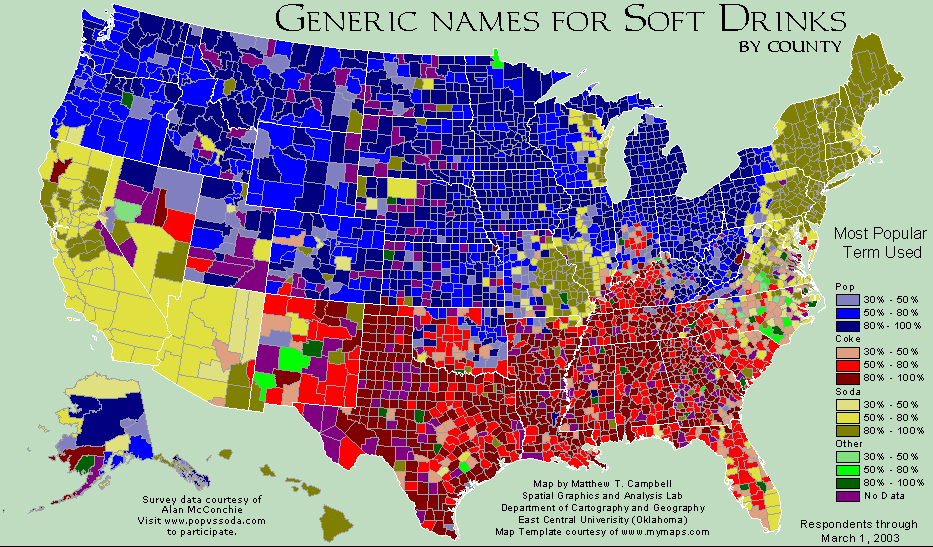
The incompetence of local police is consistent with other books in the series. Surprisingly, another consistency is that Joe doesn’t like fish, just like in Mystery on Makatunk Island (#125). It’s a small consistency, but it’s something. Another consistency: like Chet in The Phantom Freighter (#26), Joe calls soda “pop.” (If you want to know what that means about the location of Bayport, see this map.)

After Frank and Joe break into Storm’s home again, learning he was looking for the treasure and taking his fingerprints, Frank nearly gets his “once in a lifetime” chance to swim with the cetaceans. As it turns out, the dolphins don’t want to play with him — ha ha, Frank. (If you’re reading The Treasure at Dolphin Bay and you’re not into dolphins, too bad. Dolphins, according to Frank and Joe, are amazing. Smart, too: with a little training, the dolphins could probably solve mysteries.) While searching for Storm, Frank, Joe, and Stan are shot at by a real gun from an unidentified trawler; after eluding it, they run out of gas because of a faulty gas gauge. The next day, the Hardys’ regulators malfunction during a dive, and Frank has to give Joe mouth-to-mouth to revive him. The boys blame Uncle Billy, who supplied the faulty motorboat and scuba equipment, but he convinces them he’s innocent.

Fingerprints identify Storm as an alias for Jack Mobley, the son of the man who stole the lost treasure. When Storm’s ICS co-worker and covert girlfriend steals a dolphin to search for either the treasure or Storm (or both), Frank, Joe, and Stan head out to Devil’s Hat to look for them. Instead, they find Storm diving beneath Finski’s trawler. By the time Frank and Joe reach Storm, he has found the treasure. Through sign language and something between telepathy and plot convenience, Storm accuses Finski of kidnapping him. Frank realizes Finski had the opportunity to sabotage their fuel supply and rebreathers; his trawler could have been the one that shot at them. Now Finski’s possession of Storm’s boat seems more sinister.

Finski swims after Storm, but Storm escapes with the treasure via dolphin. In the struggle with Finski, Frank is shot with a speargun in the arm and loses consciousness; Joe puts Frank on the back of a dolphin, which takes Frank to safety. Sure, why not? Dolphins are amazing, I tell you. The Hardy Boys of the sea, really. Anyway, Joe follows Finski and defeats him in an aquatic battle. How, you might ask? I would have jerked Finski’s respirator from his mouth because air is a person’s weak point underwater. No, Joe uses a “move involving pressure points” from “one of his karate magazines” (142).

I swear to Dixon, I am not making that up. It’s not exactly Thunderball, but it is better than we should have expected from a book that starts with “Cowabunga.”

Anyway, Finski confesses to kidnapping Storm and making him look for the treasure, saying, “What do you think it’s like for a scientist, living from grant to grant, job to job?” (144-5). After ICS boss Helen Cho cut his research, he reached for the brass ring. Too bad! At least you shot a Hardy Boy, though. That’s something you’ll be able to brag about while you’re doing hard time for kidnapping and attempted murder.

I know I haven’t talked about Cho much — at all — but she comes across as the most incompetent administrator ever, and given how bad the police are, that’s saying something. Cho doesn’t realize that two of her researchers are using company time to hunt for treasure, and a third, Storm’s girlfriend, is aiding one of those two and carrying on a secret affair with him. And Cho’s smartest move? Letting a couple of teenagers help search for Storm, a move she herself calls “crazy” (18). Yet Cho’s the one who’s probably going to escape with her reputation intact, despite authorizing tourists to play with the dolphins she’s supposed to be taking care of. Cowabunga, brah!


Friday, July 29, 2016

Day of the Dinosaur (#128)

Day of the Dinosaur coverBayport has a lot of old mansions, and most of them are abandoned. (It certainly seems that way, at least.) In the original canon, Frank and Joe encountered nine abandoned Bayport showplaces — that’s one every nine (or so) books! The ratio is even greater if we consider only the mysteries set primarily in Bayport.

When Simon & Schuster took over the series, it curtailed the amount of time Frank and Joe spent around large, derelict buildings; Cold Cash Caper (#136) had an abandoned mansion, and Warehouse Rumble (#183) takes place in a formerly deserted warehouse, but that about all I’ve run into so far. Day of the Dinosaur is mostly set in an old, Bayport-area mansion — but the Sackville mansion, located on the outskirts of Bayport, isn’t just rotting away. Instead, it’s being refurbished into a prehistory museum, focusing on dinosaurs, and the money for doing so was left by old man Sackville. Let’s hear it for superior estate planning!

Frank and Joe visit the museum, which is about two weeks from opening, to see the animatronic dinosaurs. When I say “visit,” I mean “trespass in,” but fortunately they escape punishment when they meet their old friend Sally Jenkins, whose father is a detective who worked with Fenton. (Mr. Jenkins was never mentioned in the canon.) Sally is an assistant exhibitions director at the museum, scrambling to get the museum ready in time for its opening. She’s more than happy to have Frank and Joe volunteer, which they do because they like to get access to all the coolest stuff in Bayport and aren’t afraid to use their connections to do so.

What follows is an odd mystery; Frank and Joe have no client, not even by their nebulous “amateur” standards, and no one gets arrested at the end. I don’t know if those two things make Day of the Dinosaur unique, but it’s certainly unusual.

Before they get hired as unpaid gofers, Frank and Joe get a tour from Sally. She shows them the museum’s prize exhibit, a 15,000-year-old clay sculpture of a buffalo from southern France, which I thought was nonsense — clay sculptures that old? — but it turns out to be a real thing. (Shows what I know.) They also meet Dan Parker, who has created the Dinobots; his rival, academic paleontologist Carl Lubski; Dr. Clarence Smith, the museum director; and Tom Smedly, the head custodian.

How do Frank and Joe get to spend the week working at the museum during the school year? You’ll be surprised to know they aren’t out of school because of some breakdown in the school’s physical plant or some vague administrative holiday … well, they’re not out of school all day because of vague administrative holiday; the first day they work, they have to go to school for only a couple of hours because of “some teacher’s meeting” (10), while on subsequent days they get out early because their last scheduled class is study hall.

Frank and Joe’s support staff is largely missing in this book. Chet, for some unspecified reason, is grounded, and the rest of the gang isn’t mentioned. For most of the book, Fenton is out late / gone early working on a case. Gertrude is in Arizona, visiting “an old friend,” although I think we all know she doesn’t have friends, just people she’s known for a while who doesn’t hate her enough to physically prevent her from entering their homes. However, Laura, that perpetual non-entity, is around to cook meals for the boys. She gets no lines, but this is the first time I can remember her appearing in a book in a long time. I can’t even remember a digest I’ve covered this year in which Laura does as much as she does in Dinosaur.

Despite no actual mystery presenting itself, Frank and Joe can’t stay out of trouble. Joe gets a jolt of electricity while trying out Parker’s virtual reality helmet without permission; I thought it was a security feature, but it turns out to be a short in the system. Well, serves you right, Joe. Smedly almost drops a light fixture on Frank’s head — and more importantly, almost on the buffalo sculpture. It’s at this point the Hardys suspect a mystery, although this seems unjustifiable paranoia: by now, Frank and Joe should be used to electrical shocks and heavy objects almost falling on their heads. These things should be second nature to them; Frank is certainly no Flitcraft.

Still, weird things keep happening. A Dinobot picks up Joe in its mouth, and only Frank’s quick thinking saves the day. Parker blames Lubski, saying he must have sabotaged and reprogrammed the Dinobot, but Lubski has shown no programming experience. Still, it turns out he did reprogam it as a prank. Still, learning robot programming to irritate a rival doesn't rise to the level of the biggest paleontological squabbles, with Othniel Charles Marsh and Edward Drinker Cope being the champions there. And Lubski can’t be blamed completely, as the Dinobot attacked after Parker and Joe were trying to repair a problem with the Dinobot still on. That has to be an workplace safety violation of some sort.

Lubski almost gets stepped on by a Dinobot the following day — a definite accident, but one that prompts a bit of investigatory B&E from the boys. For some reason, they break into Lubski’s lab. Although Frank and Joe are acting like criminals, I am happy to see Frank uses the proper tool for the job this time: lock picks. (For some reason, Frank didn’t have to go to the van to get them; he just had his lock-picking tool in his pocket.) They find nothing of interest, other than Lubski and Parker having different theories about dinosaur extinction.

The day after that, the bison gets chipped when a wheel falls off the dolly Smedly was using to move it; the sculpture has to be taken to the restoration shed. After work, Joe follows Smedly and discovers him visiting the tony home of Raymond Casada, a name that means nothing to either Hardy boy. Later, the brothers break into the museum, eluding the worst security guard ever. They discover Smedly’s personnel file is missing and spot a figure sabotaging a Dinobot, but the intruder flees before he can do any real damage.

Fenton’s on the couch with Laura when the boys get home, but Frank and Joe don’t ask him if he knows anything about Casada or any criminal connections Casada might have. Because why fall back on such expert resources? Fortunately Sally clues them in later: he’s a “wealthy antiques dealer … suspected of dealing in forgeries and stolen artifacts” (111).

While Frank and Joe are unloading roof tiles the next day, an unattended Dinobot rampages through the restoration shed. Joe prevents it from running into the lake, but the shed — and the bison sculpture inside — are ruined. Smith quickly sweeps up the sculpture’s remains and double bags them, sealing in that prehistoric goodness. Smedly was injured by the Dinobot, but from the wounds, the Hardys suspect he started the Dinobot and aimed it at the shed. He’s taken to Bayport General by concerned roofers; one of them says, “I’ve had plenty of concussions myself. I know how the guy feels” (108). Plenty! Maybe concussions are just something that happens around Bayport — you’re not a man until you get your first one.

Frank and Joe avoid a concussion on their way home when their van is run off the road. “Not another dent on that side [passenger] of the van,” Joe says (115), blithely ignoring the possibility they could have been killed or seriously injured. They think they recognize Smedly’s pickup as the one that hit them, and the driver, although wearing a ski mask, was also wearing Smedly’s bandanna, or one like it. This, of course, makes Smedly one of the dumbest criminals the Hardys have faced. Couldn’t he at least have stolen a truck to run them off the road?

Now the boys know something’s up. They break into the museum again to get a sample of the destroyed buffalo sculpture, but they find Parker is a step ahead of them. The next day — Saturday — a friend of Parker’s examines the fragment, and she declares it a fake. Somehow they convince Sally to approach Casada as a buyer, but while she and Frank discuss matters with Casada, Joe sneaks into Casada’s office. He’s caught, but he manages to find a receipt for the buffalo, made out to Smith, the museum director. I have to say I’m disappointed in Casada; he should have had his butler / thug punch Joe a few times or at least intimidate him. But no: all three young fakers are politely escorted to the door. I think Burn Notice has led me to expect too much of such criminals.

Sally, Parker, and the boys set a trap: they convince Lubski to tell Smith that he thinks the sculpture was a phony. That night, they find Smith in the process of burying the shards under concrete on the museum’s grounds. (I’m not sure what staff would have made of the sudden appearance of a patch of concrete on the museum grounds, but after the shards are entombed, Smith wouldn’t care.) Smith confesses he unwisely purchased a fake with the museum’s money and blackmailed Smedly, who had lied about his job experience and competence, into destroying the fake. Smedly was as competent at destruction as he was at his job, though, and things spiraled out of control.

That’s where matters are left; the police are not involved, and crime triumphs! The museum trundles toward its opening with a new director. Smedly vanishes. Smith resigns and heads for a tropical vacation. And Casada isn’t mentioned at all, meaning he gets away with peddling a forgery. Great work, Frank and Joe!